Inspirational Stories from Blind Golf Champions
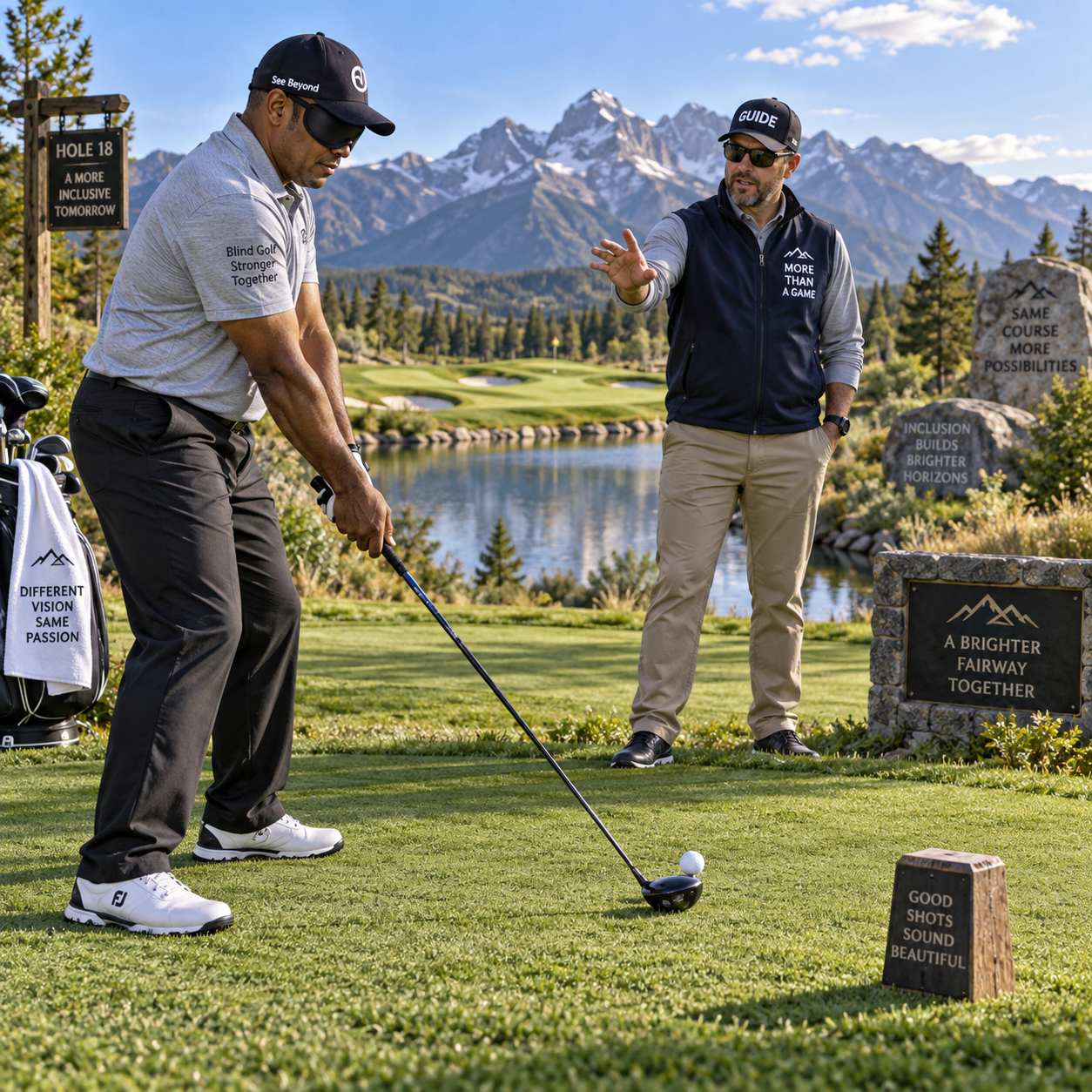
A well-struck shot in blind golf is the result of practice, judgment, and teamwork. Blind and visually impaired golfers develop their own routines for aiming and playing each hole, often working with a sighted guide who helps describe the course and position the club. Their stories show how skill and collaboration can open up competitive golf.
Blind golf champions earn recognition through their play, not simply because they compete with sight loss. Their experiences also reveal practical ways to make golf more accessible, from clear communication to better opportunities for practice and competition.
What Makes Blind Golf Different?
Blind golf adapts the way players receive information and line up shots; the golfer still chooses and executes the shot. A sighted guide may describe the target and help align the player, while the golfer uses touch, sound, balance, and repeated practice to swing.
Blindness and low vision vary, so there is no single way to play. Some visually impaired golfers can use available vision to follow a ball or recognize landmarks. Others rely more heavily on their guide’s descriptions. In either case, the player controls the club and makes decisions about pace, shot choice, and feel.
Common adaptations include:
- Verbal course descriptions: Guides explain the direction, distance, slope, hazards, and landing area in language the golfer understands.
- Consistent alignment routines: The guide may position the golfer and club toward the target, then step away before the swing, according to the player’s preference and competition rules.
- Touch and sound cues: A player may feel the clubface position, listen for a guide’s location, or use familiar words to confirm alignment.
- Adaptive equipment: Many golfers use standard clubs. Training aids, high-contrast balls, or other support can help some players, depending on their vision and needs.
Equipment can make practice more comfortable, but it cannot replace an accurate description or a repeatable routine. The key adaptation is often a reliable system shared by golfer and guide.
Champions Who Redefined What’s Possible
Blind golf champions show what focused training and competitive opportunity can produce. Their achievements belong to the players themselves, while the stories behind them also demonstrate how accessible formats and trusted partnerships support high-level play.
Blind golf competitions bring together players with different degrees of sight loss and classify competitors according to vision categories. International organizations, including the International Blind Golf Association (IBGA), help connect players and support competition across countries. A championship result is one measure of success; the years of practice and decisions behind it matter too.
Rather than attach an unverified record to a named player, consider what a champion’s round demands. The golfer must manage club selection, distance, lie, and pressure. A guide can share information, but the player still decides how to respond. One competitor might choose a conservative club to stay short of a hazard; another may commit to a more aggressive line. Both choices depend on skill and course knowledge.
Many blind golfers build their game through local clubs, coaching sessions, and repeated rounds with the same partners. Competition then gives them a place to test that work against others. Their journeys are individual: some come to golf after losing vision, while others have played with limited sight for years. What unites them is not one inspirational template, but agency, preparation, and the desire to compete.
The Partnership Between Golfer and Guide
A sighted guide helps a blind golfer understand the shot and establish alignment, but the golfer remains the decision-maker and swings independently. Clear, consistent communication builds the trust needed for the pair to move efficiently from tee to green.
A useful description is specific without overwhelming the player. Instead of saying, “Aim over there,” a guide might describe the target as a line toward the left edge of a visible bunker, with a gentle slope from right to left. The golfer can ask for more detail, choose a club, and confirm the setup. A caddie may also carry clubs and offer course knowledge, but a guide’s role and the caddie’s role are not always identical.
Before a round, partners can agree on a small vocabulary for direction, distance, and hazards. They should also decide how the guide will help with alignment and when to move clear of the swing. During play, a calm tone and honest descriptions matter more than trying to predict a perfect shot. If the ball finishes in an unexpected place, the pair updates their plan together.
Trust is built through consistency. A guide should describe what is there, not what they hope the golfer will do. The player should feel free to ask questions, reject a suggestion, or change the shot. That balance keeps the partnership supportive without taking control away from the golfer.
Overcoming Barriers on and off the Course
Blind golfers often face barriers involving access, information, transport, equipment, and chances to compete. Addressing those barriers takes practical planning by players, golf clubs, coaches, and competition organizers.
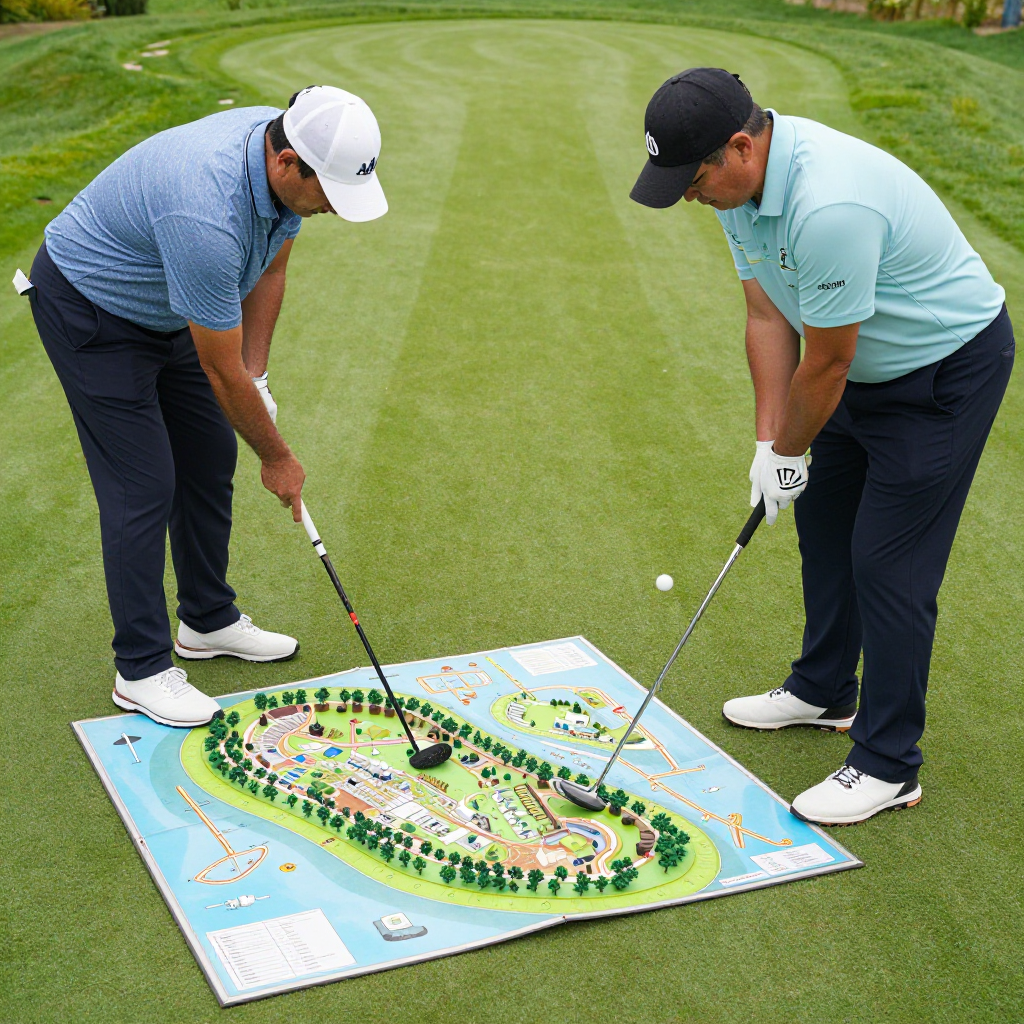
A course can be difficult to navigate even when the golfer has a reliable guide. Uneven paths, unclear signage, unfamiliar layouts, and busy practice areas can add friction before the first shot. Clubs can help by sharing course maps in accessible formats, arranging an introductory visit, and making staff available to answer questions. These steps are useful to many members, not only blind golfers.
Cost and availability also matter. A new player may need a guide or caddie, transport, lessons, and time on the course. Adaptive golf programs can reduce the burden by offering group sessions, loaner equipment, or introductions to experienced players. Those supports are helpful, though they require staff and funding; a club should start with the resources it can sustain and build from there.
One common mistake is assuming a golfer’s needs from their diagnosis. That can lead to too much assistance, too little detail, or equipment that does not suit the individual. Ask the player what works, agree on a plan, and adjust after practice. Another is treating access as a one-time accommodation. A player may need different support on a new course, in changing weather, or at a competition.
What Their Stories Can Teach Us
Stories from blind golf champions teach persistence, communication, and respect for the player’s expertise. They also show that inclusion improves when organizers design for access instead of expecting individuals to solve every barrier alone.
For a golfer, progress can mean a more stable swing, a sharper sense of distance, or greater confidence asking for the information needed to make a decision. Those gains rarely arrive in a straight line. A useful practice goal is specific and controllable, such as repeating the same alignment routine for a set of shots, rather than judging a session only by where every ball lands.
For guides and coaches, the lesson is to support without taking over. Describe the conditions, check understanding, and leave the golfer room to choose. For clubs, inclusion is more than a welcome sign: accessible communication, trained volunteers, and a clear way to request support make participation real.
These champions also challenge a narrow idea of sporting independence. Golf is already a game shaped by coaches, caddies, rules officials, and playing partners. Blind golf makes that shared work visible while keeping the athlete’s skill and decisions at the center.
How to Get Involved in Blind Golf
To get involved in blind golf, start by contacting an adaptive golf program, a local club, or a national blind golf organization and ask about a beginner session. A first visit can clarify what support, equipment, and playing format will suit you.
- Explain what you need. Share your level of vision and any preferences for directions, alignment, or moving around the course. You do not need to use a particular description or prove your eligibility to ask about a session.
- Try a short practice session. Begin on a putting green or driving range with a coach or guide. Learn a consistent way to describe the target and set up before adding more course details.
- Agree on roles. Discuss whether the partner is acting as a guide, caddie, or both, and check the event’s rules before competition. Procedures can vary by organization and format.
- Build a repeatable routine. Practice the same sequence for receiving a description, choosing a club, aligning, and swinging. Adjust it to the golfer rather than forcing a standard method.
- Invite others to support access. Families, volunteers, and club members can help with transport, fundraising, accessible event information, or introductions to local coaching.
New players do not need specialist clubs to begin. Standard golf equipment is often enough, while a high-contrast ball or other visual aid may help some golfers. Ask the player and coach before buying adaptive equipment; preferences differ, and not every product is useful for every level of vision loss.
Frequently Asked Questions About Blind Golf
Blind golfers use agreed descriptions and alignment routines to prepare for shots, with the golfer making the swing and choosing how to play. The details depend on the person, the course, and the rules of the event.
How do blind golfers line up and take a shot?
A guide may describe the target and help position the golfer and clubface. Once aligned, the guide moves clear as agreed, and the golfer swings. Each player develops a comfortable routine through practice.
What does a sighted guide do in blind golf?
A sighted guide shares visual information such as direction, distance, hazards, and slope, and may assist with alignment. The golfer retains control of club choice and shot execution.
Can someone with any level of vision loss play?
People with a wide range of visual impairments may be able to play, though competition categories and eligibility rules vary. Contact an adaptive golf program or event organizer to discuss the specific requirements.
What equipment or support might a new player need?
Most beginners can start with standard clubs, a guide or coach, and access to a practice area. Depending on the golfer, useful support may include a high-contrast ball, an accessible course description, or help arranging transport.