How to Get Started with Blind Golf: A Beginner's Guide
Blind golf is a real, structured, competitive sport played by thousands of people worldwide across the full spectrum of visual impairment. Whether you lost your sight recently or have lived with low vision your whole life, picking up a club is more achievable than most people assume — and the community waiting for you on the other side is genuinely welcoming.
What Is Blind Golf? Understanding the Sport
Blind golf is a form of adaptive golf in which visually impaired players compete using a classification system that accounts for their degree of sight loss. The sport follows the same fundamental rules as standard golf, with a few practical modifications to make independent play possible.
The B1–B3 classification system divides players into three categories based on remaining functional vision:
- B1 — No light perception or minimal light perception only. Players in this category have total or near-total blindness.
- B2 — Some light and shape perception, with visual acuity up to 2/60 or a visual field of less than 5 degrees.
- B3 — Greater remaining vision, with acuity between 2/60 and 6/60 or a visual field between 5 and 20 degrees. This group is often described as having low vision rather than total blindness.
This classification matters because it allows fair competition between players at similar functional levels. It also means that if you have some remaining vision, you absolutely belong in blind golf — the sport is designed for the full spectrum of visual impairment, not just those with no light perception at all.
Organized blind golf has existed since the 1940s, and the International Blind Golf Association (IBGA) now coordinates competition across dozens of member nations. This is not a niche hobby; it is a global adaptive sport with regional tours, world championships, and a growing participation base.
The Role of a Guide in Blind Golf
Every blind golfer plays alongside a sighted guide — a partner who provides the spatial information the player cannot access visually. The guide is not a caddy in the traditional sense; they are an active communication partner whose skill level directly affects how well a round goes.
A guide's core responsibilities include:
- Describing the hole layout, hazards, and pin position before each shot
- Physically aligning the golfer's feet and club face to the target line
- Communicating distances — to the pin, to bunkers, to the edge of the fairway
- Tracking the ball flight and locating it after each shot
- Helping the player read the green for putts
The alignment process is worth understanding in detail, because it is where most beginners have questions. A typical sequence: the guide stands behind the ball on the target line, then moves to position the player's feet parallel to that line, places the club face square to the target, and steps away before the swing. Communication is precise — "two feet left of the flag," not "a bit that way."
Finding the right guide is genuinely one of the most important early steps. Some players work with a friend or family member who learns the role; others are paired through adaptive programs at local clubs. The relationship develops over time, and experienced blind golfers often describe their guide partnership as one of the most rewarding aspects of the sport.
Equipment You'll Need to Get Started
You do not need specialized or expensive equipment to begin playing blind golf. Standard golf clubs work perfectly well, and most beginners start with a basic set before making any modifications.
That said, a few adaptive aids can make early sessions significantly more productive:
- Alignment sticks placed on the ground by the guide to help the player feel the correct stance direction through foot placement
- Tactile grip markers — small raised indicators on the grip that help the player consistently position their hands the same way each time
- Modified putter grips with a flat front face that provides a tactile reference for square alignment at address
- A consistent ball-marking system so the guide can quickly locate and identify the player's ball
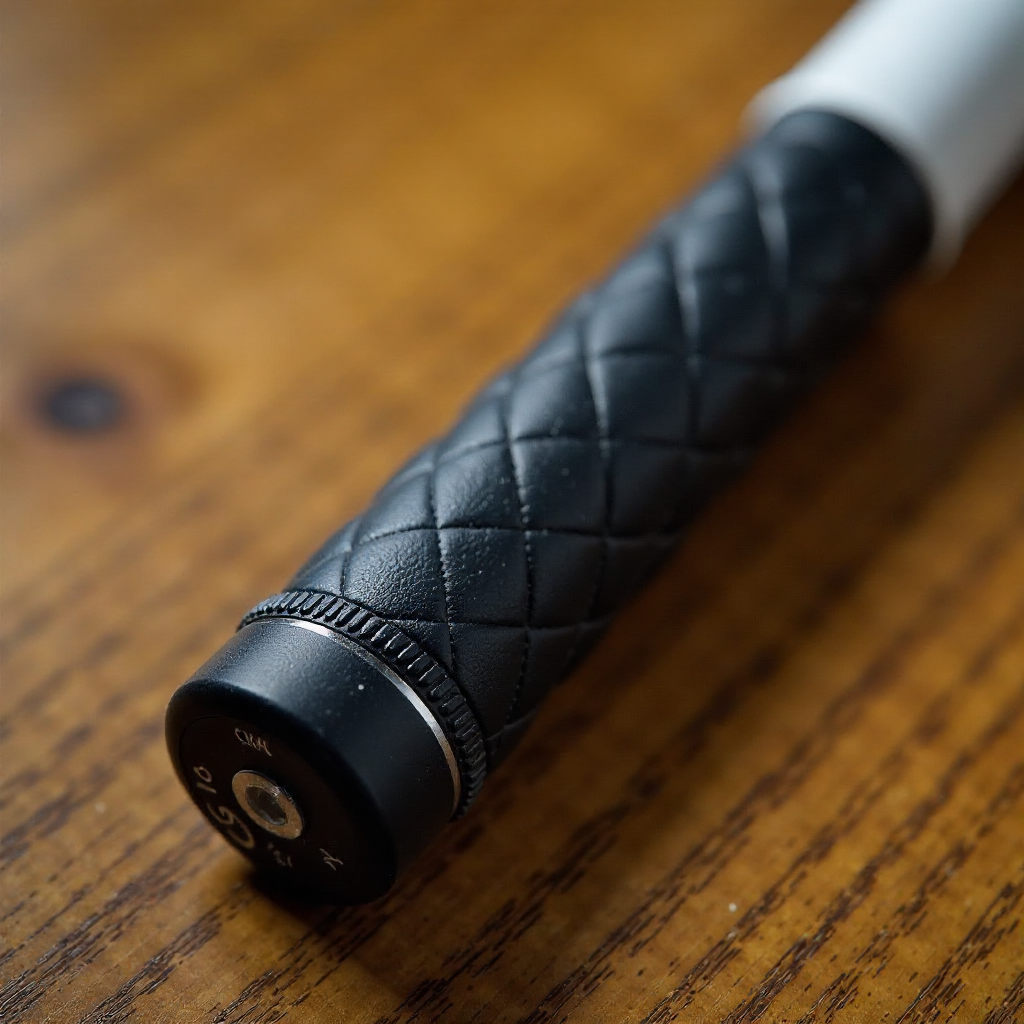
Club fitting is worth considering once you are playing regularly. Some B1 players prefer slightly shorter shafts for easier alignment consistency, but this is not a requirement to get started. Borrow clubs from a program or club first — buy later once you know what works for your swing.
Finding a Program, Club, or Coach Near You
The fastest route into blind golf is through an established organization. The International Blind Golf Association maintains a directory of national member associations, which in turn connect players to regional programs, certified coaches, and club partnerships.
Practical steps you can take this week:
- Search the IBGA website for your country's national blind golf association and contact them directly — most have a dedicated new-player coordinator
- Call your nearest golf club and ask specifically whether they have an adaptive golf program or are affiliated with any disability golf initiatives
- Contact national disability sport organizations in your country, which often maintain referral lists for adaptive golf coaches
- Ask your ophthalmologist or vision rehabilitation specialist — many are aware of local adaptive sport programs and can make direct introductions
When approaching a club, be specific: ask whether they can accommodate a visually impaired player with a guide, whether they have any coaches with adaptive golf experience, and whether there are quieter tee times suitable for learning. Most clubs are willing to help; they simply may not have considered it until asked.
Your First Lesson — What to Expect
A first blind golf lesson focuses almost entirely on grip, stance, and the pre-shot routine — the same foundations as any beginner lesson, delivered through tactile and verbal instruction rather than visual demonstration.
A good adaptive coach will start by placing the club in your hands and physically guiding your grip into the correct position, asking you to feel the pressure points and repeat the grip several times until it becomes automatic. Stance width and ball position are set the same way — the coach places your feet, you feel the position, you recreate it.
The pre-shot routine is particularly important in blind golf because it replaces the visual information sighted players absorb passively. A typical routine might look like this:
- Guide describes the shot: distance, target, any hazards to know about
- Guide aligns the player from behind, then positions the club face
- Player takes two practice swings to feel tempo and balance
- Player steps into address, confirms grip and stance by feel, then swings
Do not expect to hit the ball well in your first session. The goal of lesson one is to establish a repeatable routine — because a consistent routine is what makes everything else possible. Most beginners find that after three or four sessions, the routine starts to feel natural, and ball contact improves quickly from there.
Building Confidence and Progressing on the Course
The most effective path to confidence in blind golf is to start small and build deliberately. Short game first — putting and chipping — because these shots involve less body movement and give you faster feedback on what is and isn't working.
A few practical principles for early progress:
- Set process goals, not score goals in your first months. "Complete my pre-shot routine on every shot" is a better early target than any particular handicap number.
- Play shorter holes and fewer holes initially — nine holes is a full achievement for a new blind golfer, and there is no shame in playing six.
- Spend time on the practice green before moving to the course. Putting is where most beginners build their first real sense of control and feedback.
- Talk openly with your guide about what communication style works best for you — some players want detailed descriptions, others prefer minimal information and more physical alignment cues.
Course accessibility varies significantly between venues. Some courses have smooth cart paths and clearly defined areas that make navigation straightforward; others present more challenges. Your guide handles most of this, but it helps to choose accessible, well-maintained courses for your first rounds on the course.
Connecting with the Blind Golf Community
Blind golf has an active, global community that extends well beyond the course. Connecting with other visually impaired golfers is one of the most reliable ways to stay motivated, troubleshoot early challenges, and find playing partners and guides.
Entry points into the community include:
- National and regional tournaments organized through IBGA member associations — these welcome players at all skill levels, including absolute beginners
- Online forums and social media groups specifically for blind and low-vision golfers, where members share equipment advice, course recommendations, and guide-finding tips
- Peer mentorship programs run by some national associations, pairing new players with experienced blind golfers who can answer questions from direct personal experience
- Adaptive golf events at local clubs, which often bring together players with various disabilities and create natural networking opportunities
The social dimension of blind golf is not a secondary benefit — for many players, it becomes the primary reason they keep playing. The combination of a skilled sport, a close guide partnership, and a tight-knit community is genuinely unusual, and most people who enter it stay.
Frequently Asked Questions
Can I play blind golf if I have some remaining vision?
Yes. The B3 classification specifically covers players with low vision rather than total blindness. You do not need to have complete sight loss to participate — the B1–B3 system exists precisely to include the full spectrum of visual impairment.
Do I need a guide with me at all times on the course?
In competitive blind golf, yes — a guide is required and is considered part of the playing team. In casual or recreational rounds, the arrangement is more flexible, but having a guide makes the experience significantly safer and more enjoyable, particularly on unfamiliar courses.
Are there specific rules differences between blind golf and standard golf?
The core rules of golf apply, with two main modifications: the guide may touch the player to assist with alignment before a shot (which would normally be a rules violation), and players are allowed to ground their club in a hazard for alignment purposes. The IBGA publishes the full modified rules on its website.
How long does it typically take to play a full round of blind golf?
A full 18-hole round typically takes between four and five hours with an experienced guide — slightly longer than the average sighted round, primarily because of the alignment and communication process before each shot. Beginners should expect rounds to run a little longer initially.
What is the best way to approach a local golf club about adaptive access?
Call or email the club's general manager or head professional directly, and be specific about what you need: a tee time with a guide, any course accessibility considerations, and whether they have coaches with adaptive experience. Referencing your national blind golf association adds credibility and often prompts clubs to take the inquiry more seriously.